Quick answer: a standard 8 oz cup of drip coffee has about 95 mg of caffeine, a single espresso shot about 63 mg, and a 12 oz cold brew anywhere from 150 to 240 mg. But the exact number depends on the bean, roast, brew method, and serving size. Here’s…
The “Coffee Belt” is the equatorial zone between the Tropics of Cancer and Capricorn where the world’s coffee is grown — more than 70 countries with the right mix of temperature, altitude, and rainfall. Where a coffee comes from shapes how it tastes, and the Belt breaks down into three…
Quick answer: to make cold brew at home, combine coarse-ground coffee and cold water at about a 1:4 ratio (for concentrate), steep 12–24 hours in the fridge or at room temperature, then strain. Dilute the concentrate with water or milk over ice to taste. It’s smoother, richer, and less acidic…
“Coffee badging” is a workplace trend where employees briefly show up at the office — long enough to badge in, grab a coffee, and be seen — then head home to finish the workday. It’s become a quiet form of pushback against strict return-to-office mandates. Here’s what’s behind it, and…
The French press traces back to an 1852 French patent for a piston-style coffee filter, was refined by a Milanese company in the late 1920s and 1930s, and became popular in American coffee culture in the 1980s. Here’s the story behind one of coffee’s most enduring brewers. Few devices hold…
The roast level of your coffee has a huge effect on how it tastes. Light roasts are bright, fruity, and acidic; medium roasts are balanced, sweet, and nutty; dark roasts are bold, smoky, and low in acidity. This guide breaks down all three roast levels so you can pick the…
A 2024 study found that for the most caffeine per cup, a medium roast is often your best bet — because roast level, bean porosity, and how much dissolves into the water all interact in ways that aren’t as simple as “light has more caffeine.” Here’s what the research actually…
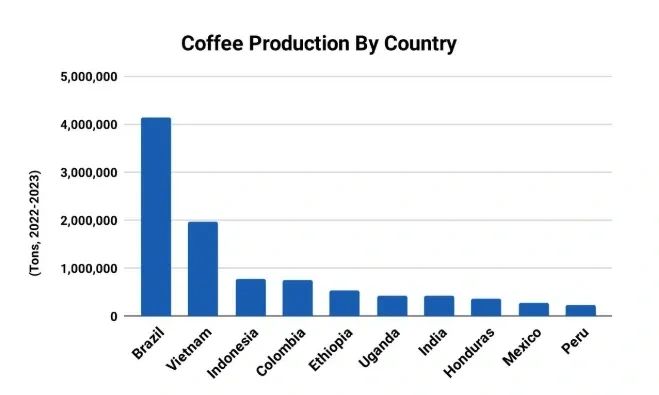
Where does coffee come from? Almost all of the world’s coffee grows in the “Coffee Belt” — the tropical band circling the globe between the Tropic of Cancer and the Tropic of Capricorn (about 23.5° north and south of the equator). This zone spans some 70 countries across five continents,…
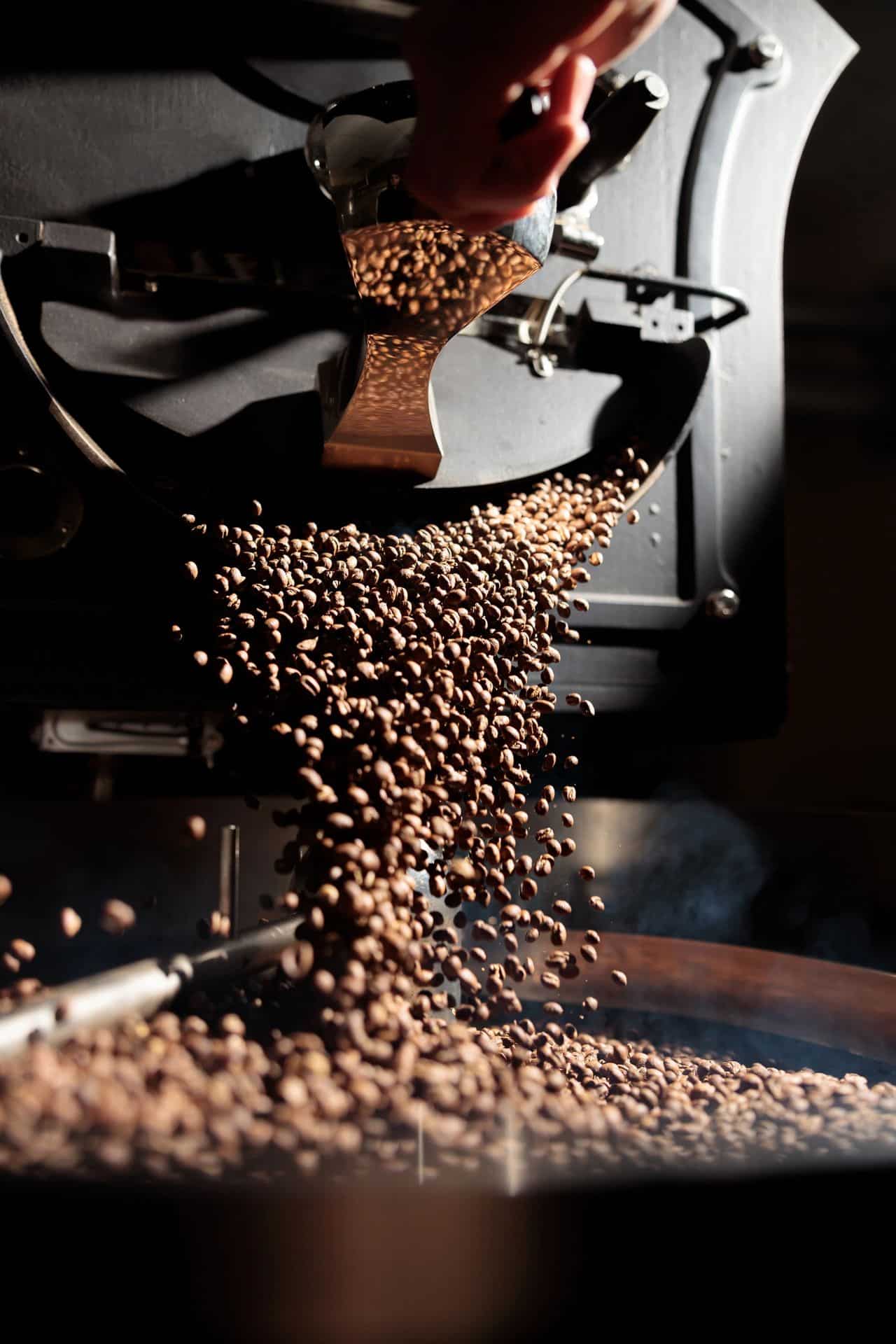
Coffee roasting transforms green beans into brown, aromatic ones over about 10–15 minutes: the roaster removes moisture, triggers the Maillard reaction and caramelization, hits “first crack,” then develops the roast to the target level. How long the roaster goes past first crack is what makes a coffee light, medium, or…
Quick answer: to make pour over coffee, rinse your filter, add medium-coarse grounds, and pour water heated to 195–205°F in slow spirals — starting with a 15-second bloom, then two or three pours — at about a 1:16 coffee-to-water ratio. The whole brew takes roughly 3 minutes and produces a…