
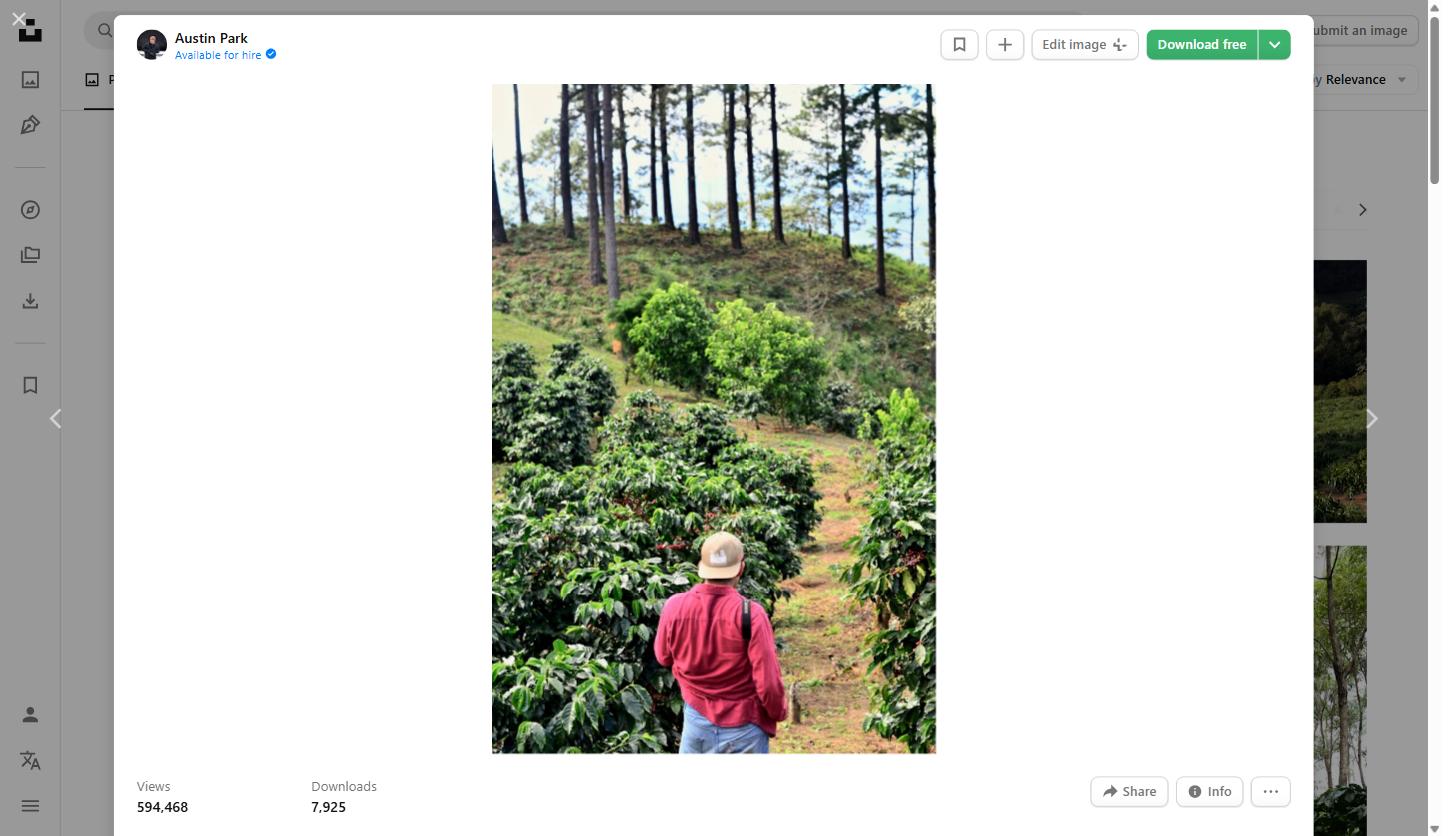
Nearly all the coffee on earth grows in one band around the middle of the planet. It sits between the Tropics of Cancer and Capricorn, and the trade calls it the Bean Belt. Inside it you get steady 60–70°F temperatures, reliable rainfall, volcanic soil, and elevation. Outside it, coffee trees mostly die.
Within that band, three broad regions produce three genuinely different styles of coffee. Learn the pattern and you can read a country name off a bag and know roughly what you’re in for. That’s a useful trick, and it takes about five minutes to pick up.
The three-region shortcut
| Region | Character | Typical notes | Roast that suits it |
|---|---|---|---|
| The Americas | Mild and balanced | Citrus, caramel, nuts, cocoa | Medium |
| Africa & Arabia | Bright and acidic | Berries, stone fruit, florals | Light |
| Asia & the Pacific | Heavy and low-acid | Earth, chocolate, spice, wood | Dark |
Like any shortcut it has exceptions, and we’ll point out a few. But it holds up well enough to shop by.
The Americas: mild and balanced
Central and South America grow the coffee most Americans grew up drinking. Approachable, sweet, and rarely difficult. If you’re buying for a household with mixed opinions, this is where you look.
| Origin | Flavor notes | Body & character |
|---|---|---|
| Brazil | Caramel, cocoa, roasted nuts | Medium body · the world’s largest producer by a wide margin |
| Colombia | Fruity, nutty, round | Medium body and acidity |
| Costa Rica | Citrus, nutty, honey, floral | Medium body · Tarrazú is the name to know |
| Guatemala | Caramelized nuts, citrus, floral, sweet | Delicate · Antigua |
| Honduras | Crisp, nutty, spicy | Light-bodied · now the largest producer in Central America |
| El Salvador | Vanilla, hazelnut, chocolate, pear | Medium acidity · Pacamara variety |
| Panama | Lemongrass, herbal, floral, cane sugar | Zesty · home of Gesha, the most expensive coffee in the world |
| Peru | Orange, nutty, chocolate | Medium body and acidity · high Andes |
| Mexico | Nutty, cocoa, gentle sweetness | Light to medium body · Chiapas and Oaxaca |
| Hawaii | Brown sugar, vanilla, long finish | Low acidity · Kona |
If you’re shopping rather than studying, our guide to the best single-origin coffee beans is the buying companion to this page.
Where to start: a Colombian or Guatemalan at a medium roast. Both are forgiving, widely loved, and show the region’s balance without asking anything of your technique. Our Mexico Chiapas Organic Aguila is another easy entry point if you want something a little different.
Africa & Arabia: bright and fruity
This is where coffee began and it’s still where the most surprising flavors come from. We’ve had people at tastings insist an Ethiopian natural must have blueberry syrup in it. Nothing was added. That’s the fruit the seed grew inside.
| Origin | Flavor notes | Body & character |
|---|---|---|
| Ethiopia | Blueberry, stone fruit, jasmine, rose, chocolate, spice | Medium body · coffee’s birthplace, still grows wild there |
| Kenya | Dark fruit, grapefruit, brown sugar, citrus | Zesty and bright · the famous AA grade |
| Rwanda | Chocolate, nutty, juicy, floral | Bright acidity · Bourbon variety |
| Uganda | Chocolate, creamy, dried fruit, stone fruit | Full body · native robusta |
| Yemen | Chocolate, winy, spicy, dried fruit | Full syrupy body · the port of Mocha |
Where to start: an Ethiopian natural at a light roast, brewed as a pour-over. It’s the single clearest demonstration of what “origin character” means, and it converts skeptics faster than anything else we pour.
Asia & the Pacific: heavy and earthy
These origins trade brightness for weight. Low acidity, thick mouthfeel, and often savory or woody notes that come as much from local processing traditions as from the land itself.
| Origin | Flavor notes | Body & character |
|---|---|---|
| Sumatra | Earthy, woody, caramel, herbal | Full body, low acidity · Mandheling |
| Java | Nutty, creamy, chocolate | Full body · the island that gave coffee a nickname |
| India | Spicy, nutty | Full body · Monsooned Malabar, aged in monsoon winds |
| Papua New Guinea | Fruity, syrupy, bright | Full body · grown from Jamaican Blue Mountain seed |
| China (Yunnan) | Smooth, chocolate, citrus, nutty | Medium body · the rising star of the last decade |
| Australia | Mild, juicy, syrupy | Medium body · right at the edge of the Bean Belt |
Where to start: a Sumatra Mandheling at a dark roast in a French press. If you take your coffee with cream, this region will make more sense to you than any other.
Why altitude keeps showing up on the bag
You’ll see elevation printed on specialty coffee bags and it isn’t decoration.
Higher up, nights get cold. Cold nights slow the coffee cherry’s ripening, and a slower ripening cherry produces a denser seed with more concentrated sugars and acids. Denser beans hold more flavor and stand up better to roasting.
The trade formalized this a long time ago. The International Coffee Organization notes that “strictly hard bean” or SHB, usually meaning coffee grown above about 4,500 feet, matures more slowly and produces harder, denser beans that are more consistent and generally more valuable than lower-grown coffee. When you see SHB or SHG on a bag, that’s what it’s telling you.
It’s also why light roasts and high-altitude coffees go together. There’s more delicate flavor in there worth protecting.
Three things worth knowing
- Ethiopia is coffee’s birthplace and it still grows wild there. A lot of Ethiopian coffee comes from small garden plots and forest trees rather than plantations, which is part of why the flavors vary so wildly from lot to lot.
- Yemen’s port of Mocha is where the word comes from. It was the main coffee export hub for centuries, and its chocolatey beans are the reason “mocha” ended up attached to chocolate-coffee drinks.
- Papua New Guinea’s coffee descends from Jamaican Blue Mountain seed planted in the 1920s. That’s why it can taste unexpectedly bright for its region. If you’re curious about the original, we’ve written about Jamaican Blue Mountain separately.
Putting it to work
Want bright and fruity? Africa, lighter roast. Smooth and balanced? The Americas at medium. Bold and earthy? Asia, darker roast.
Origin sets the ceiling on what a coffee can be. Roast level and grind size decide how much of that ceiling you actually reach. All three have to line up, which is the honest reason two people can brew the same beans and get different cups.
Frequently asked questions
What is the Bean Belt?
The tropical band between the Tropics of Cancer and Capricorn where nearly all commercial coffee grows. It provides the temperature range, rainfall, and elevation coffee trees need.
Which country produces the most coffee?
Brazil, and not narrowly. It has led global production for well over a century and grows both arabica and robusta at enormous scale.
What’s the difference between single origin and a blend?
Single origin comes from one country, region, or farm and showcases that place’s specific character. Blends combine beans from multiple origins for balance and consistency, and to keep a house flavor the same year-round even as harvests change. Neither is better. They’re built for different jobs.
Which coffee origin is best for beginners?
Colombia or Brazil at a medium roast. Smooth, sweet, low-risk. Save Ethiopia and Kenya for when you want to be surprised rather than comforted.
Why does Ethiopian coffee taste like blueberries?
A combination of local heirloom varieties and natural, or dry, processing, where the cherry is dried around the bean and the fruit sugars work their way into the final flavor.
What does high-grown or SHB mean?
Coffee grown at high elevation, typically above roughly 4,000–4,500 feet. Cooler nights slow ripening, which produces denser beans with brighter acidity and more complexity.
What’s the difference between arabica and robusta?
Arabica is the sweeter, more aromatic species and accounts for most specialty coffee. Robusta is hardier, grows at lower elevations, carries roughly twice the caffeine, and tastes bolder and more bitter. Uganda and much of Southeast Asia are robusta strongholds.
Taste the map
The fastest way to learn origins is to drink them next to each other. Pick one coffee from each region, brew them the same way on the same morning, and the differences stop being words on a page.
That’s essentially what our private coffee tastings in Concord are. Four single origins, side by side, with someone talking you through what you’re tasting and why. It’s the single best hour you can spend if you want to get better at buying coffee.
Can’t make it to the Bay Area? We source across the Bean Belt and roast to order, so you can build your own comparison at home.
Shop single origins and blends →
Roasting at home? Our green coffee is organized by region — Africa, Central America, South America, and Asia — which makes side-by-side comparison straightforward.
More reading: Light vs. Medium vs. Dark Roast · The Coffee Grind Size Chart · How Many Tablespoons of Coffee for 4 Cups


